
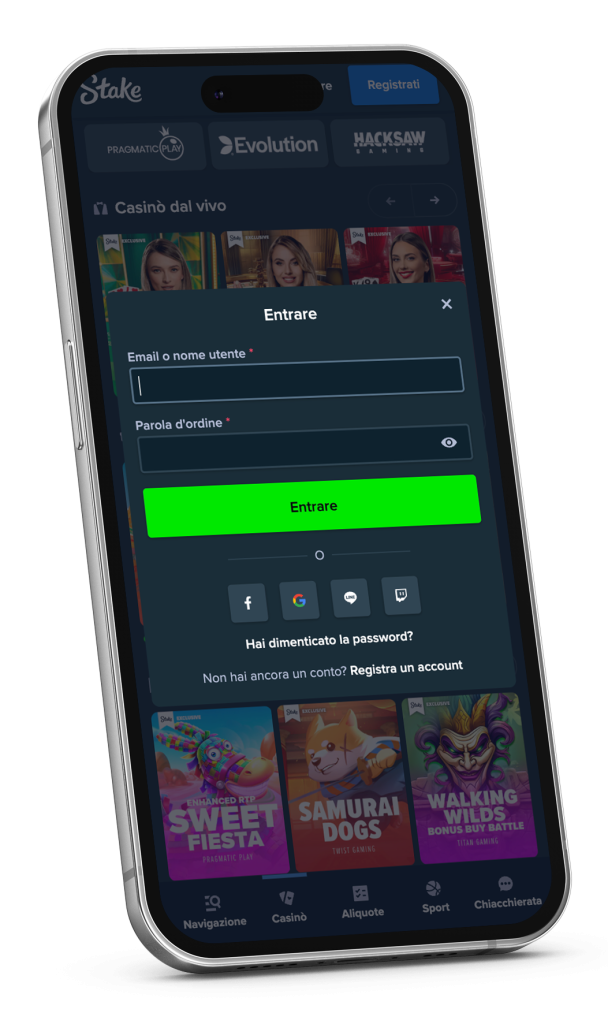
I review online casinos, and I sought to examine something most players ignore: the rules about taking screenshots. We all capture images of big wins or funny game moments, but who actually checks the small print? I set up a test account with Stake Casino, which operates under a Curacao license, to pick apart its official rules and how it applies them around screenshots. My objective was to check how transparent these policies are for a regular user, especially someone from the UK where Stake works in a legal gray zone. This is a analysis of documents and live chat tests, not an endorsement to play.
Finding Stake’s Official Rules on Screenshots
My investigation commenced where it ought to: in the official rules. I combed through Stake’s Terms and Conditions, Bonus Terms, and Game Rules. It was a familiar drill with online casinos, a jungle of legal text. I employed my browser to find “screenshot,” “recording,” “evidence,” and “image.” I found no much. The references weren’t in one place. Some casinos have a clear “Fair Play” page for this. Stake conceals the relevant bits inside broader sections, so a casual player would not spot them.
This scattershot approach is the first transparency shortcoming. Someone with a problem will not read thousands of words of legalese. The most evident mention I found wasn’t about general use, but about cheating promotions with faked images. For everyday play, the rules are just suggested through clauses about not “interfering” with the service. Not having a simple upfront statement is a real flaw. It obliges players to decode lawyer language instead of giving them straightforward guidelines.
My Hands-On Test with Customer Support
Documents are one thing, real people are another. I used Stake’s 24/7 live chat. I posed a direct, hypothetical question: “Am I permitted to take screenshots of my game wins or my balance for my own records?” The agent responded promptly and was courteous, saying it’s generally okay for personal use. But when I requested specifics, like if it’s ever banned or if sharing shots online breaks the rules, the answers became vague. I was told to check the Terms of Service for “detailed information.”
Assessing the Support Response Quality
That chat showed a standard industry habit. Front-line support agents aren’t specialists on every minor policy. Their general “yes” for personal use seems positive, but their quick retreat to the TOS when challenged indicates the limits of their training. For a UK user, this ambiguity matters. It means something as simple as posting a win screenshot to a forum could, in theory, get you in trouble under a loosely defined rule. Without a solid answer from support, you’re left uncertain and assuming the risk.
My test showed the day-to-day reality is more lenient than the strict terms might imply. But depending on unspoken permission instead of written consent is a transparency flaw. If a dispute occurred, the casino could cite some vague clause about “platform integrity” to reject your screenshot evidence. That power imbalance remains because the policy isn’t clearly stated from the start.
How Screenshot Policies Actually Count
Guidelines about capturing your screen may sound trivial. But they tell you a lot about how a casino operates. Screenshots are your top proof if a win vanishes, you hit a jackpot, or a game malfunctions. What the casino permits governs your capacity to confirm your own history. A ambiguous or strict policy weakens your position, transforming disputes into arguments without evidence. For UK users on an internationally licensed site like Stake, this murkiness is a larger problem. Local authorities like the UKGC presumably can’t help you, so you’re leaning entirely on the casino’s own rules being fair.
A Player’s Need for Documentation
This isn’t just about bragging. A screenshot is a timestamp, solid proof of what was on your screen at that second. If a game freezes in a bonus round or your balance doesn’t update, that picture is your primary defense. Without it, you’re expecting the casino to review its own private logs. A transparent policy that openly lets you gather evidence for disputes is a good sign. It signals the platform trusts its own games and systems enough to be held responsible to a player’s own records.
A Casino’s Perspective on Security
Casinos have legitimate fears. They want to stop fraud, like people editing images to fake wins and defraud support. They might also want to protect game artwork and their interface design. The real test is how they balance these security needs with a player’s right to keep records. A fair policy separates bad-faith manipulation from real documentation. The language in the Terms and Conditions demonstrates you how much a casino relies on its users and its own technology.
Suggestions for Stake and Similar Platforms
Stake would be able to address this transparency issue easily. It needs to add a dedicated “Fair Play” or “Player Protection” area. This page would outline what users can document, how to use that documentation with assistance, and any real limits, like prohibiting automated recording tools that could manipulate. This change would be free and generate a lot of credibility. It establishes clear standards for everyone, reducing future conflicts and conserving support time.
Support staff also need a proper internal handbook on this topic, so they can provide reliable, certain replies. For sites with users in regions like the UK that value consumer rights, this transparency is a benefit. It indicates regard for the player’s capacity to handle their own journey and demonstrates the platform functions transparently, which can distinguish it from the competitors.
Potential Risks for UK Players
The actual threat isn’t getting banned for capturing an image. It’s encountering variable implementation and possessing a poor position if something goes wrong. Consider you employ a screenshot to assert a game shortchanged you. Stake will examine its internal logs. If their logs don’t match your image, your evidence carries minimal official weight because the rules did not explicitly permit you to create it. Your case then rests on their goodwill.
The ambiguity also covers distributing screenshots on social media or review sites. Terms often contain broad rules against “harming the brand’s reputation.” A negative post with a screenshot could be seen in a different light under a unclear policy than under a specific one. For a UK resident using an offshore site, your options for outside help are restricted. That makes having crystal-clear rules from the operator itself even more important.
Evaluating to UK-Licensed Operator Standards
Stake lacks a UK Gambling Commission license, but comparing the two is useful for UK players. A UKGC-licensed casino is required to follow strict rules on fairness and transparency. Every term gets regulatory scrutiny. From my time on such sites, their rules on keeping evidence are far clearer. They often explicitly say you are entitled to record your game sessions and transactions. The regulator demands that any limit on this has to be reasonable and justified.
The difference is clear. Stake’s indirect, buried policy possesses no such regulatory backbone. A Curacao license does not demand this level of clarity. This isn’t to say Stake bans screenshots; my test shows they do not. It signifies the formal transparency and focus on user rights, which a UK player might take for granted, isn’t necessarily guaranteed here. The policy works in a space of discretion, not firm rules.
Final Verdict on Clarity
My testing shows Stake Casino’s screenshot policy is flexible but officially unclear https://stakekasino.eu.com/. In truth, you likely won’t have difficulty taking a picture for yourself. But the fact you won’t find a explicit, unambiguous right to do so in their written terms is a transparency failure. It creates a hidden imbalance where the rules are subject to interpretation, not fixed. For a UK player familiar with regulated environments, this is a certain weak spot.
Stake operates fine for many people who never think about these policies. True transparency is about defending the few who encounter problems. On that score, Stake’s approach is adequate, not outstanding. The policy exists in the shadows of the Terms, relying on informal nods from support instead of strong, player-first clarity. As the market expands, the best platforms will illuminate these gray areas. Right now, Stake has work to do.